How to Become an In-Home Caregiver in 2026: A Complete Guide
Discover how to start a caregiving career, what you’ll do each day, and how to build skills that open doors to steady, meaningful work.
Written by
By Ivy Shelden
Published
23 June 2026
Blog /
Interested in becoming an in-home caregiver?
You don’t need years of training or a long resume to get started.
Maybe you’ve helped a parent after surgery or checked in on a neighbor who needed extra support. Those simple interactions show you can care for others with patience and empathy.
Caregiving jobs can fit around your life. The hours are flexible, the demand is steady, and the work is rewarding beyond the paycheck.
In this guide, you’ll learn what in-home caregivers do, the skills that help you succeed, and how to take your first steps toward a meaningful career helping others at home.
What Is an In-Home Caregiver?
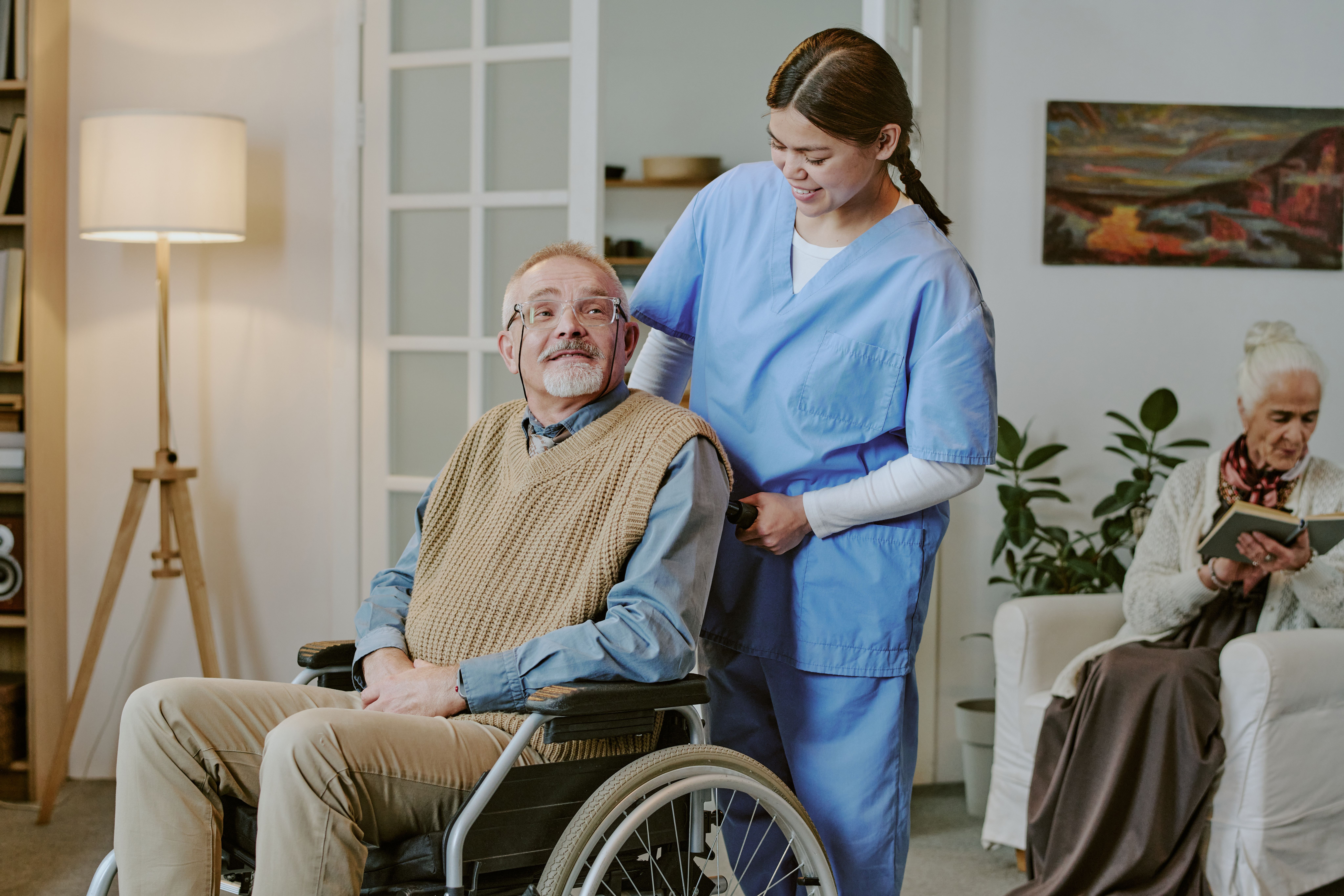
An in-home caregiver is someone who helps another person live safely and comfortably at home.
Most caregivers support older adults, though some also help people with chronic conditions or people recovering from illness, injury, or surgery.
Caregivers focus on assisting with daily life. They typically help with meals, keep the home tidy, provide company, and assist with personal care when needed. The goal is to make each day feel a little easier and more secure for the person receiving care.
A typical day might include:
- Preparing meals or setting out snacks
- Helping with bathing, dressing, or light exercise
- Offering conversation or companionship
- Driving to appointments or running small errands
- Noticing changes in mood, appetite, or mobility
Caregivers are not medical professionals. Tasks like giving injections or managing medications must be done by licensed nurses or healthcare staff.
Still, the support you provide can have just as much impact. Many older adults stay independent at home longer because of consistent, caring help.
Why Caregiving Is a Rewarding Career
Caregiving is meaningful work. You’re helping someone safely stay in their own home and community, offering comfort and connection.
You can see the impact of your work every day. A meal shared, a small laugh, a quiet thank-you from the person you’re helping. Those moments stay with you and remind you why this work feels worthwhile.
Caregiving also offers flexibility and opportunity. You can work part-time, full-time, or around school or another job.
Because the need for in-home care keeps growing, there are roles available in almost every community.
Some of the biggest benefits include:
- Flexible hours that fit your lifestyle
- Reliable demand across cities, small towns, and even rural areas
- Meaningful one-on-one relationships
- Experience that can grow into long-term career paths
If you’re looking for work that feels personal and purposeful, Caregiving offers a path that blends compassion with reliable work.
How Much Do In-Home Caregivers Make?
Pay for in-home caregiving varies depending on your experience, location, and the type of care you provide. Most caregivers earn hourly rates, which can range from $20 to $30 per hour in many parts of the country.
The average pay for caregivers in the United States is about $22 per hour. Caregivers in larger cities or areas with higher costs of living often earn more.
Several factors can influence your pay:
- Experience and training: Caregivers with certifications in CPR, first aid, or memory care tend to earn higher rates.
- Type of care provided: Personal care or complex needs like dialysis support or memory care may pay more than companionship-only roles.
- Schedule and hours: Overnight, weekend, or live-in shifts often come with higher hourly rates.
- Location: Pay rates can vary between urban and rural areas.
On Herewith, caregivers can set their own hourly rates and apply directly to families that match their schedule and experience. You decide when and where to work, and you’re paid for every hour you provide care.
This flexibility allows you to build income that fits your lifestyle, whether caregiving is your full-time career or a part-time role that complements school or family responsibilities.
Is There a Demand for Caregivers?
The demand for in-home caregivers is growing across the country. As more older adults choose to stay in their homes, families are looking for trustworthy people who can help with meals, routines, and companionship.
Caregiving opportunities aren’t limited to big cities either. Smaller communities and rural areas are seeing more families search for dependable in-home support too.
For Helpers in these areas, local private clients can be more rewarding with easier commutes than traveling wherever an agency places you.
Because of increasing demand, caregivers can find flexible work almost anywhere.
Who Makes a Good Caregiver?
There’s no single path into caregiving. Many people begin after helping a family member or neighbor, while others are drawn to work that feels more meaningful and offers a flexible schedule.
You don’t need extensive experience or years of training. Many caregivers start with simple human skills like kindness, compassion and the willingness to help.
Soft Skills That Matter Most
Strong caregiving starts with connection. The way you listen, speak, and show up every day shapes how comfortable someone feels in your care.
- Patience and empathy: Care takes time. Meeting people where they are helps build trust and calm.
- Clear communication: Listening carefully and sharing updates helps families stay connected and informed.
- Dependability: Showing up on time and following through builds confidence between you and the person you help.
- Respect for privacy and dignity: Everyone deserves to feel comfortable and valued in their own home.
- A positive outlook: A calm, kind attitude can brighten the day for both you and your client.
These qualities help clients feel at ease and supported in every interaction.
Helpful Professional Skills
While compassion is at the heart of caregiving, practical skills make the work safer and smoother. You don’t need to master everything at once. Most caregivers build these abilities over time.
- Basic first aid and CPR: Knowing how to respond in an emergency keeps everyone safe.
- Safe lifting and mobility techniques: Protects both you and your client from injury.
- Light cooking and housekeeping: Keeps the home welcoming and comfortable.
- Understanding memory or mobility challenges: Makes it easier to adapt care to each person’s needs.
- Organization and time management: Ensures daily routines run smoothly and on schedule.
You can learn or strengthen these skills with practice, training, and experience. Each day builds confidence and prepares you for more opportunities.
Training and Certification Options
You don’t need formal training to begin caregiving, but earning certifications can expand your career opportunities and build confidence on the job.
Popular training options include:
- First Aid and CPR: Available through the Red Cross or local community centers.
- Certified Nursing Assistant (CNA): A state-approved program that teaches hands-on care skills and often leads to higher pay.
- Home Health Aide (HHA): Focuses on daily care tasks and client safety.
- Alzheimer’s and Dementia Care Training: Builds specialized skills for supporting clients with memory changes.
- Dialysis Technician Training: Dialysis Care Partners are in high demand. Administer hemodialysis or peritoneal dialysis treatments for patients who wish to receive treatments at home
These certifications show families and employers that you’re serious about caregiving as a profession. Many programs are short, affordable, and available online or through local colleges.
How to Get Started as an In-Home Caregiver
Starting your caregiving journey can feel like a big step, but it’s easier than you might think.
Many people begin with personal experience as family caregivers and build from there.
Here’s how to get started:
- Think about your availability: Decide how many hours you want to work each week and which times fit best.
- Create your Helper profile on Herewith: Your profile is where families get to know you. Include a friendly photo, a short introduction, and details about your caregiving experience or personal strengths.
- Highlight your caregiving experience: List specific examples of how you’ve helped others. Preparing meals, assisting with mobility, or offering companionship all count as valuable experience.
- Start exploring job opportunities: Once your profile is ready, browse available positions and message families directly. You can set your own rates, schedule, and preferred locations.
- Complete your background check: Background checks help families feel confident hiring you. Herewith makes the process simple, secure, and free.
You’ll learn as you go. Each client teaches you something new about care, patience, or communication.
How to Grow in Your Caregiving Career
Once you start caregiving, you’ll find there’s always more to learn.
You can grow by adding new skills, gaining experience, and learning from others in the field.
Small steps can open the door to more opportunities and higher pay.
Here are a few ways to keep growing:
- Take classes or certifications: Look for local programs or online courses in first aid, CPR, dialysis, or Alzheimer’s and dementia care. Each certification adds to your confidence and credibility.
- Present yourself with professionalism: While caregiving can feel like an informal job, preparing for interviews and attending shifts on time makes a big difference to your ratings as a Helper.
- Ask for feedback: Families often appreciate being part of your growth. Ask what’s working well and what could improve.
- Keep a record of your experience: Track your hours, skills, and client feedback. This helps when setting pay rates or applying for advanced roles.
- Learn from other caregivers: Join local or online caregiver groups to share advice and encouragement.
- Stay curious: Each new challenge can teach you something about care, communication, or yourself.
The more you learn, the more confident and capable you’ll feel. Over time, caregiving can grow into a long-term profession or lead to new paths in health care and human services.
A Career Built on Care
Caregiving starts with choosing to help. It takes patience and empathy, but the rewards show up in small ways: a smile, a laugh, a calm moment at the end of the day.
Every person you care for teaches you something new about what it means to show up for someone else.
If you’re ready to start, Herewith makes it easy to find caregiving jobs that match your experience and schedule so you can grow your career while making a difference close to home.
Key Takeaways
- In-home caregivers help people stay comfortable, independent, and safe at home.
- Most caregiving roles are non-medical and focus on daily living support.
- The demand for caregivers is growing in both cities and small towns.
- Caregivers typically earn between $20 and $30 per hour, depending on location and experience.
- Strong soft skills like patience, communication, and empathy matter most.
- Training, feedback, and experience can help you grow into higher-paying roles.
- Herewith connects caregivers directly with families looking for support nearby.
Helpers Also Ask:
Do I need experience to become a caregiver?
No. Many caregivers start with personal or family experience and build skills over time through training and hands-on work.
Is there a high demand for caregivers right now?
Yes. The demand for caregivers continues to grow as more older adults choose to stay at home with the help of caregivers, especially in small towns and rural communities.
What kind of care do in-home caregivers provide?
Caregivers help with meals, errands, light housekeeping, personal care, and companionship. They do not perform medical procedures.
How much can I earn as an in-home caregiver?
Most caregivers earn between $20 and $30 per hour. Rates vary based on experience, location, and care needs. Helpers on Herewith can set their own pay rates.
How do I find caregiving jobs near me?
You can browse available positions, message families directly, and set your own schedule through Herewith.
Still need help?
Call our Support team for further assistance.
Mon-Sat, 9AM-6:30PM PT- Call us at:
415-506-9776
- Send us an email
support@herewith.com





Herewith provides a platform to assist Helpers and care recipients in connecting regarding in-home non-medical care opportunities. Herewith does not employ any Helpers, nor does it recommend any Helpers and/or care recipients who use its platform. User information provided in profiles, posts, and otherwise on the Herewith platform is not generated or verified by Herewith. Each user of Herewith's platform is responsible for conducting their own vetting before determining whether to enter into an employment relationship and for their own conduct, including compliance with applicable laws.