What to Expect as a Home Dialysis Caregiver on Herewith
Explore the Home Dialysis Helper role on Herewith, including qualifications, clinic-provided training, and what to expect on the job.
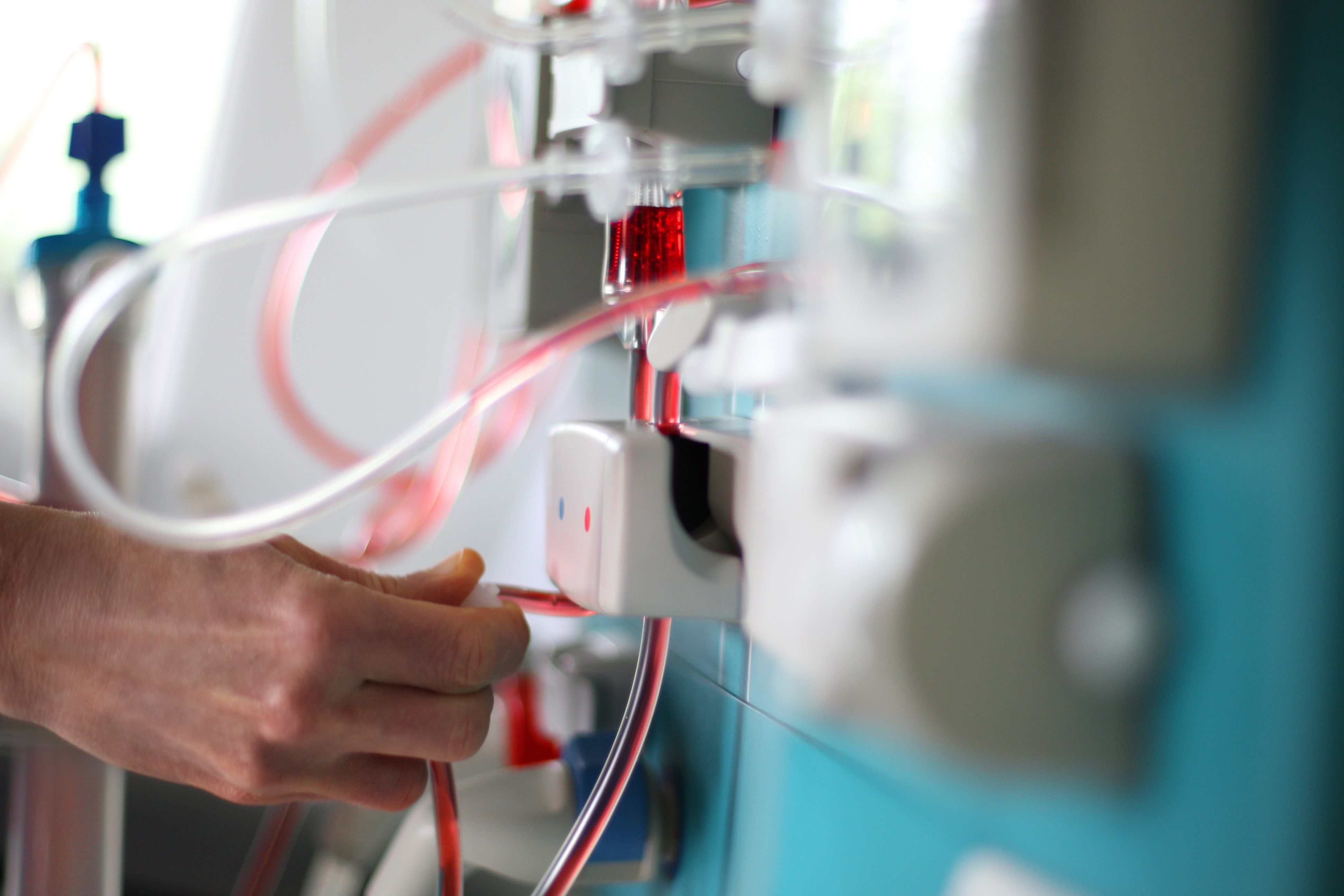
Interested in becoming a home dialysis caregiver?
On Herewith, you can connect with dialysis clinics looking for Helpers to assist patients with hemodialysis treatments at home.
This is a more specialized role than general caregiving. You'll work closely with patients and their dialysis care teams, learning how to assist with treatments through training provided by the clinic.
You don't necessarily need a dialysis certification to get started. Depending on your experience and the clinic's requirements, you may qualify for training as a home dialysis care partner.
In this guide, we'll walk you through who can apply, what clinic training involves, and what to expect when working as a Home Dialysis Helper on Herewith.
Key takeaways
- Home Dialysis Helpers support patients with home hemodialysis treatments, working alongside their dialysis clinic's care team.
- You don't always need dialysis certification to qualify. Participating clinics set their own requirements and provide care partner training.
- Helpers gain hands-on healthcare experience while assisting with treatments, monitoring patients, and providing companionship at home.
What does a professional home dialysis caregiver do?
Home Dialysis Helpers on Herewith assist patients receiving home hemodialysis treatments, alongside their dialysis clinic's care team.
Home hemodialysis allows patients to get dialysis treatments at home rather than traveling to a clinic several times a week. But many patients need someone to help them manage treatments safely, which is where you’ll come in.
Understanding the dialysis care partner role
The person who helps a patient with home hemodialysis treatments is called a care partner. This is often a spouse, family member, or friend, but not every patient has someone who can take on that responsibility.
Dialysis clinics can partner with Herewith and connect with Helpers who are interested in filling this role. If you're selected, the clinic will provide training for your responsibilities before you start helping with home treatments.
Care partners help clients prepare for treatments, monitor their condition, and help with cleanup, following the clinic's instructions and reporting concerns to the nursing team.
Your role is to provide hands-on support while the clinic remains responsible for medical care and treatment decisions.
Who can apply for home dialysis caregiver jobs on Herewith?
You don't necessarily need a dialysis certification to become a Home Dialysis Helper on Herewith. Requirements vary by clinic, but previous caregiving or healthcare experience can help you qualify.
Many clinics prefer Helpers with dialysis experience, especially those with a Certified Clinical Hemodialysis Technician (CCHT) or Certified Hemodialysis Technician (CHT) certification. Experience as a CNA, medical assistant, phlebotomist, LVN, or LPN can also be valuable. Some clinics require current CPR certification.
If you don't have a medical certification, you may still be eligible. Clinics may consider applicants with hands-on caregiving experience, including those who have cared for a family member, and are willing to complete clinic-provided dialysis training.
To get started, sign up to become a Helper on Herewith and complete your profile. Include any relevant caregiving experience, healthcare credentials, or certifications so clinics can see your qualifications.
How home hemodialysis training works
Home dialysis care partner training is provided by the dialysis clinic, not Herewith.
Before you start working with dialysis patients at home, the clinic's nursing team will teach you how to assist with home hemodialysis treatments. Depending on the clinic, you may train alongside other Helpers and patients or receive individual training for a specific client.
This hands-on training is different from a formal dialysis technician certification program. Rather than preparing you for a certified technician role, clinic training focuses on the skills and procedures you'll need to support patients receiving dialysis at home.
What does home dialysis care partner training cover?
Training typically includes a combination of lessons, hands-on practice, and assessments to help you learn how to assist with treatments safely.
Depending on the clinic's program, you may learn about:
- Machine and supply preparation: Gathering supplies, setting up dialysis equipment, and performing water quality checks.
- Patient weights: Weighing patients before treatment to help the nursing team determine how much fluid needs to be removed.
- Infection control: Practicing proper hand hygiene, using gloves, and following procedures to reduce the risk of infection.
- Recognizing warning signs: Learning to identify changes such as low blood pressure, low blood sugar, or other symptoms that need attention.
- Emergency procedures: Understanding how to respond to problems during treatment and when to contact the nursing team.
One of the most important things you'll learn is when to ask for help. Care partners follow the clinic's instructions, report concerns, and leave medical decisions to the nursing team.
A typical day with a home dialysis client
Home hemodialysis treatments follow a regular routine, but each patient's needs and schedule are different.
A home dialysis visit can take five to six hours, including setup and cleanup. During that time, you'll help your client prepare for treatment, provide support throughout the session, and make sure they're comfortable afterward.
Before treatment
Before treatment begins, care partners help prepare the dialysis machine, gather supplies, and check the patient's weight according to their clinic training.
It's also a good time to check in with your client. Ask how they're feeling, whether they've eaten, and if they've noticed any changes since their last treatment. You'll share any concerns with the nursing team before getting started.
During treatment
During dialysis, care partners monitor their client's condition, record treatment information, and watch for signs that something might be wrong.
Changes like unusual fatigue, dizziness, or pale skin can signal a problem. If you notice anything concerning, follow the clinic's instructions and contact the nursing team.
Treatments can last several hours, so companionship is also an important part of the job. Talking, watching a favorite show, or just spending time together can help your client feel more comfortable.
After treatment
Once treatment is finished, you'll help with cleanup, document the session, and report any concerns to the nursing team, following the procedures you've been trained to perform.
Some patients feel tired after dialysis and may need help getting settled so they can rest and recover comfortably.
As dialysis Helper Joel Lemus puts it, "Helping somebody for part of the day so they can have a better rest of their day is a win-win."
Working with dialysis clinics
Work schedules depend on the patient's treatment plan and the clinic's arrangements. Some patients need assistance several days a week, so you may have opportunities to work with the same client on a regular basis.
Herewith provides tools to help Helpers communicate and manage their work. Payment arrangements can vary by clinic and opportunity, including hourly or per-treatment rates.
Before accepting an opportunity, make sure you understand the expected schedule, responsibilities, training requirements, and how you'll be paid.
Clinic staff want you to do well. Doris Jones, a dialysis technician with 48 years of experience, says every Helper she's worked with has been eager to learn.
"It's a great marriage," she says. "It's giving the patients and staff the opportunity to take care of each other."
Skills you’ll build as a home dialysis caregiver
Working as a Home Dialysis Helper gives you the opportunity to build healthcare skills while supporting patients with ongoing treatments.
Through clinic training and hands-on experience, you can develop skills such as:
- Patient observation: Recognizing changes in how clients feel and knowing when to report concerns to the nursing team.
- Infection control: Following hygiene and safety procedures to help reduce the risk of infection.
- Dialysis equipment: Becoming familiar with home hemodialysis machines, supplies, and the procedures you're trained to assist with.
- Documentation: Recording treatment information accurately and following clinic reporting procedures.
- Patient communication: Helping clients feel comfortable, answering questions within your role, and communicating concerns to their care team.
These skills can be valuable if you're interested in continuing your work in healthcare. Some Helpers may eventually pursue formal training or certification as dialysis technicians.
Keep in mind that care partner training doesn't replace a dialysis technician certification program. If you decide to pursue certification, you'll need to meet the requirements of the specific credential.
Getting started as a Dialysis Helper on Herewith
Interested in becoming a Home Dialysis Helper? You can start by creating a Helper profile on Herewith.
Include your caregiving experience, healthcare background, and any relevant certifications. This helps participating dialysis clinics learn about your qualifications and determine whether you might be a good fit for their home dialysis opportunities.
Once your profile is complete, you can explore available opportunities and learn more about each clinic's requirements.
Sign up to become a Helper on Herewith to get started.
Helpers also ask
Do I need dialysis certification to become a Home Dialysis Helper?
Not necessarily. Some clinics prefer certified dialysis technicians or applicants with healthcare experience, while others may consider caregivers without formal medical credentials. Each clinic sets its own qualifications and training requirements.
Who provides home dialysis care partner training?
Participating dialysis clinics provide training for Home Dialysis Helpers, not Herewith. The clinic's nursing team teaches Helpers how to assist with home hemodialysis treatments according to its procedures.
Can I work as a Home Dialysis Helper without previous dialysis experience?
Yes, depending on the clinic's requirements. Some clinics may accept applicants with general caregiving experience and provide the training needed for the care partner role.
How much do Home Dialysis Helpers get paid?
Pay varies by clinic and opportunity. Some arrangements may offer hourly pay, while others may pay per treatment. Review the payment terms with the clinic before accepting an opportunity.
Still need help?
Call our Support team for further assistance.
Mon-Sat, 9AM-6:30PM PT
Related Articles

Find your first healthcare-related role with no clinical background, certification, or degree required
Learn how home HD technology developed, and why support at home is still such a big part of patient success.
Learn how to become a senior caregiver, even if you’re new to paid caregiving.